How to Choose the Right Fabric for Your First Dress
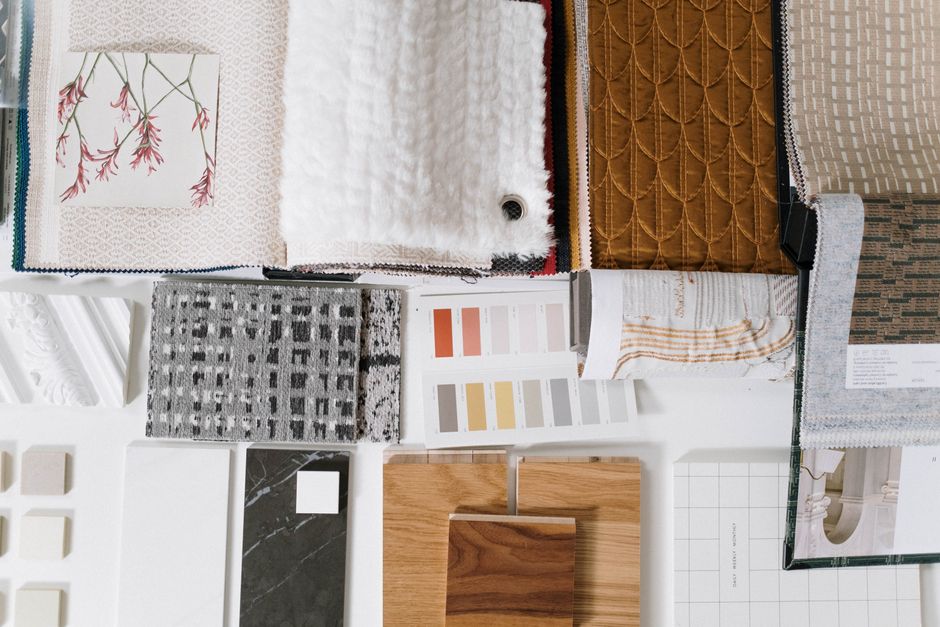
Selecting the right fabric is a foundational step in any dressmaking project, especially for someone who is just beginning to sew. The fabric not only determines the appearance of the finished garment but also influences how it will feel to wear and how it behaves during the sewing process. For a beginner, the range of available textiles can feel overwhelming, but understanding a few key characteristics can make the decision more manageable.
Fabric weight, drape, and stretch are three properties that together define how a material will perform in a specific dress design. Each property interacts with pattern choice, sewing technique, and the intended purpose of the garment. By learning to identify and evaluate these qualities, a beginner can approach fabric shopping with greater confidence and avoid common pitfalls such as choosing a material that is too stiff, too flimsy, or too difficult to handle on a home sewing machine.
This guide is structured to walk through these core characteristics one by one. It then explores how they apply to commonly available fabrics such as cotton, linen, and polyester blends. The goal is not to prescribe a single “best” choice, but rather to provide a framework for evaluating options based on the specific needs of a project.
Understanding Fabric Weight
Fabric weight refers to how heavy or light a textile feels in the hand, and it is typically measured in grams per square meter (GSM) or ounces per square yard. Weight affects both the structure and the movement of a dress. Heavier fabrics such as denim or twill hold their shape well and are suitable for designs with tailored lines or A-line silhouettes. Lighter fabrics such as chiffon or lawn create softer, more fluid garments, but they may require more careful handling during cutting and stitching.
For a first dress project, many beginners find that medium-weight fabrics offer a good balance. A material in the range of 150 to 250 GSM tends to be forgiving to work with, as it is substantial enough to stay in place under the presser foot yet not so heavy that it becomes difficult to sew through multiple layers. Patterns designed for beginners often recommend medium-weight woven cottons or cotton blends precisely because of this compromise.
It is worth noting that fabric weight interacts with the pattern’s intended ease and fit. A loose-fitting dress can be made from a lighter fabric without issues, while a close-fitting bodice may require a material with enough body to support seams and closures. Examining the pattern envelope or instructions for suggested fabric weights provides a useful starting point.
The Role of Drape
Drape describes how a fabric falls or hangs when suspended. Some textiles have a stiff drape that holds a shape away from the body, while others have a fluid drape that follows curves and folds easily. Drape is influenced by fiber content, weave structure, and finishing treatments. Linen, for example, tends to have a crisp drape with a slightly textured surface, whereas rayon crepe moves softly and clings more closely.
When choosing fabric for a dress, the intended silhouette is the primary factor in determining which drape is appropriate. A design with gathers or ruffles benefits from a fabric that can fold smoothly without adding excessive bulk. A design with sharp pleats or a structured bodice calls for a fabric with more stiffness. Beginners can test drape by holding a small piece of fabric at one corner and observing how it bends and forms waves.
It is also helpful to consider how the fabric will behave on the body over time. Some materials, such as polyester blends, maintain a consistent drape throughout the day, while natural fibers like cotton may soften and relax after being worn for a few hours. This change is not necessarily a drawback, but being aware of it allows for more realistic expectations.
Considering Stretch
Stretch refers to the ability of a fabric to elongate under tension and return to its original shape. Woven fabrics generally have minimal stretch along the grain, though bias-cut woven pieces can offer some diagonal give. Knit fabrics, on the other hand, are constructed from interlocking loops and can stretch significantly, making them suitable for fitted or body-conscious dress styles.
For a beginner, the presence or absence of stretch directly affects ease of fitting and construction. Non-stretch woven fabrics require precise sizing and often call for closures such as zippers or buttons to allow the garment to be put on and taken off. Knit fabrics eliminate many of those fitting challenges because they can stretch over the body, but they also require special sewing needles and stitch types to maintain elasticity in the seams.
When evaluating stretch, it is important to note both the percentage of stretch and the recovery. A fabric that stretches easily but does not return to its original size may lead to a dress that sags after wearing. Simple tests, such as pulling a small section of fabric between the hands, provide a practical sense of how much give a particular material offers.
Common Fabric Types for Beginners
Cotton is often recommended for first sewing projects because it is stable, easy to cut and stitch, and widely available in a variety of weights and prints. Quilting cotton, which is a medium-weight plain weave, works well for simple dresses with a structured shape. However, it has very little drape, so designs that rely on fluid movement may not achieve the desired effect.
Linen is another natural fiber popular in warm-weather garments. It has a slightly stiffer hand than cotton and a distinctive texture that adds visual interest. Linen wrinkles easily, which is a characteristic that some makers find appealing and others prefer to avoid. Blended linen fabrics that include a small percentage of synthetic fibers reduce wrinkling while retaining much of the original drape and breathability.
Polyester and polyester blends are common in many dress fabrics because they offer durability, wrinkle resistance, and often a lower price point. The quality of polyester fabrics varies widely, from stiff linings to soft challis or double knits. A polyester-cotton blend can combine the easy care of synthetic fibers with the breathability and comfort of natural cotton. Beginners should be aware that some polyester weaves produce static cling or feel less breathable, which may affect comfort depending on the season and occasion.
Additional Considerations for a First Dress
Beyond weight, drape, and stretch, a few other factors can influence fabric selection for a beginner. Fabric width determines how much yardage is needed and whether a particular cutting layout will fit the available space. Most commercial patterns include a yardage chart that accounts for fabric width, but it is worth double-checking before making a purchase.
Care requirements are another practical aspect. Natural fibers such as cotton and linen typically require gentle washing and may shrink, while many polyester blends can be machine washed and dried with minimal fuss. Considering how often the dress will be laundered and whether the wearer prefers low-maintenance care can guide the final decision.
Cost and accessibility also matter, especially when learning a new skill. It is often sensible to start with moderately priced fabrics rather than expensive specialty textiles, as mistakes are part of the learning process. Many fabric stores offer remnants or sales that allow a beginner to experiment without a large financial commitment.
Ultimately, choosing fabric for a first dress involves balancing design intent, sewing skill level, and personal preference. By examining weight, drape, and stretch, and by exploring common options like cotton, linen, and polyester, a new sewist can build the knowledge needed to make informed and satisfying choices.